


I installed Bojangles to see whether it actually makes ordering a meal easier or simply adds another shortcut to a process that already works well in person. My overall impression is that it is most useful when I already know what I want, am close to a participating restaurant, and would rather arrange the order before walking in or reaching the drive-thru. It is a free Food & Drink app from Bojangles OpCo, LLC, aimed at turning a familiar restaurant visit into a more planned, less hurried experience.
The appeal is straightforward: I can look through the menu, make choices at my own pace, and place an order without having to explain every item while a line is moving behind me. That sounds simple, but it matters during a busy breakfast run or a quick lunch break. At the same time, this is not an all-purpose meal planner, a restaurant discovery service, or a replacement for every way of ordering Bojangles food. Its value depends heavily on whether the nearby location, menu, and ordering flow match what I need at that moment.
How the current Bojangles experience works in everyday use
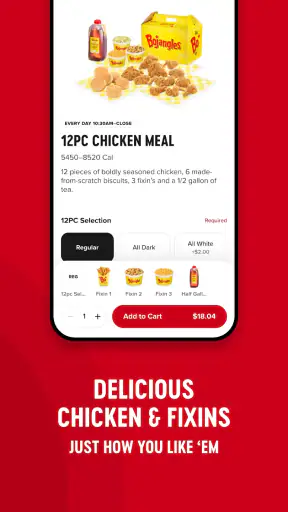
The app’s strongest use case is advance ordering. I find it easier to make decisions when I am not standing at a counter with limited time. Browsing the menu first also helps when I am ordering for more than one person, because I can pause between selections instead of trying to remember everyone’s preferences at once. For a solo breakfast, that may save only a little effort; for a family or office order, the calmer workflow becomes much more noticeable.
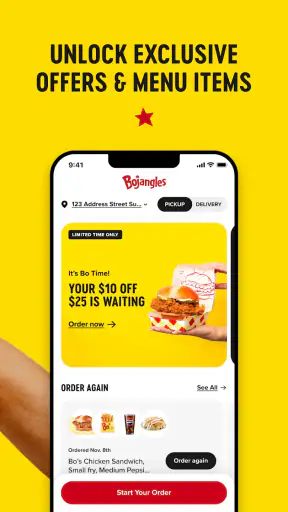
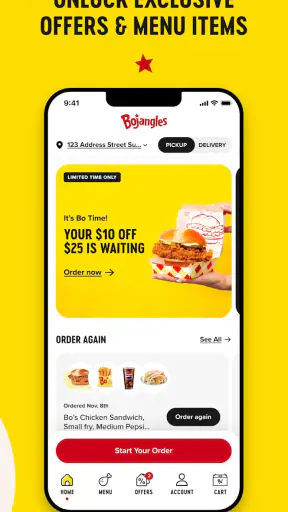
I would describe the interface as focused rather than ambitious. It exists to connect a customer with Bojangles ordering, not to surround the meal with unrelated content. That narrow purpose is a strength for people who already visit the chain. You open it with a clear intention, choose food, review the order, and continue toward pickup. The experience feels more practical when I treat it as a preparation tool rather than something I browse casually for entertainment.
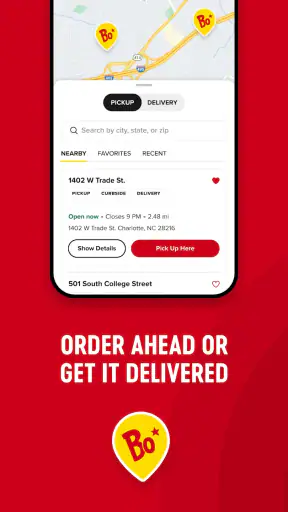
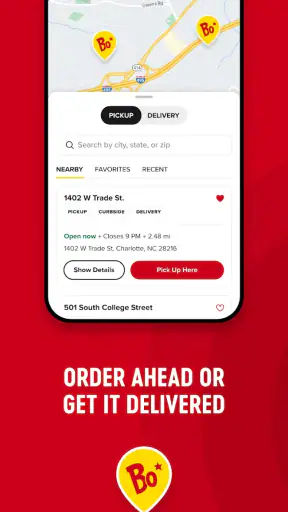
One useful habit is to decide where I will eat before building the order. A digital menu can make it tempting to add items first and think about the restaurant afterward, but the selected location is important because availability and pickup timing are tied to that restaurant. Choosing the location early reduces the chance of rebuilding an order later. It is a small workflow improvement, but it prevents one of the most annoying forms of friction in restaurant apps: finishing the basket and discovering that the intended location cannot handle it as expected.
For a realistic weekday example, imagine leaving work with a short break and wanting a chicken meal without spending that break in a queue. I can check the nearby Bojangles location, make the order while still at my desk, and head over when it is convenient. The benefit is not that the app transforms the food itself; the benefit is that it moves menu decisions into a quieter part of the day. If the restaurant is crowded, that preparation can feel worthwhile even when the total visit is not dramatically shorter.
That last point is important. I would not assume that placing an order digitally guarantees an instant handoff. Restaurant workload, pickup organization, and the timing of the order still matter. The app can make my part of the process more efficient, but it cannot remove every variable inside a busy restaurant. I prefer to use it when I can allow a little flexibility rather than when I am counting on a meal being ready at an exact minute.
Who gets the most value from it
This is a good fit for regular Bojangles customers who repeat favorite meals and want a less rushed ordering routine. It also suits people who dislike speaking orders aloud, customers coordinating several meals, and anyone who wants to inspect the menu before committing. The age rating is Everyone, so the presentation is broadly accessible rather than aimed at a specialized audience.
It is less compelling for someone who rarely eats at Bojangles, wants to compare many nearby restaurants in one place, or prefers to ask staff questions before choosing. A person with detailed dietary concerns may also prefer direct conversation when the app does not make an answer obvious. Digital ordering is convenient, but convenience should not be confused with personalized guidance. If a substitution or ingredient question is central to the order, speaking with the restaurant may still be the safer route.
I also think occasional visitors should consider whether downloading a dedicated restaurant app is worth the extra space and setup. If I am already outside a Bojangles location and the line is short, ordering in person may be faster than opening the app, selecting a restaurant, and checking out. The app earns its place when I use it repeatedly or when advance planning solves a real problem.
Small workflow choices that improve the experience
My first practical tip is to review the complete basket before submitting it, especially when ordering several meals. Digital menus make it easy to focus on the main item and overlook a side, drink, or customization. A final slow read is more valuable here than rushing to the payment step. It also gives me a chance to confirm that the selected restaurant is still the one I intended.
My second tip is to use the app before the most stressful part of the day rather than during it. If breakfast is the goal, building the order while I am still at home is less frustrating than attempting to navigate everything from a crowded parking lot. This is not a hidden feature; it is a better way to use the feature that already exists. The app works best when it reduces decisions at the point of pickup.
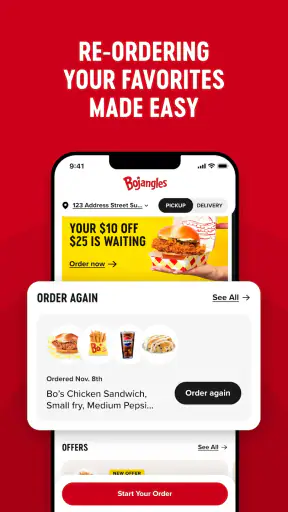
A third insight is that the app is particularly useful for repeatable orders, but less useful as a substitute for menu exploration across different restaurants. Once I know my usual meal, digital ordering becomes quick. When I am undecided, the app does not necessarily provide the same conversational help that a staff member can offer. I would use it for control and convenience, not expect it to make every food decision for me.
There is also a trade-off when ordering for a group. The app can keep the order organized, but one person still has to verify the basket carefully. Group orders create more opportunities for an incorrect size, missing add-on, or misunderstood preference. I find that assigning one person to collect everyone’s choices before opening the app works better than passing a phone around while the order is being built.
What the current release tells me about its direction
The current version is 2.4.0, while the app first appeared on May 31, 2021. That gives the product a few years of life behind it rather than the feel of a brand-new experiment. I see that as a positive sign for basic continuity: the app has had time to settle into its role as a direct ordering channel. Still, a version number alone does not tell me that every part of the experience has been redesigned, so I judge it by how reliably it supports the core task instead of expecting a dramatic reinvention.
For existing users, the practical effect of a maintained release is usually less about learning a completely new product and more about keeping the ordering path usable as phones and operating systems change. The minimum requirement is Android 7.0 or later, which makes the app available to a broad range of Android devices. People using older phones should check compatibility before relying on it for an urgent meal, while most users with reasonably current Android hardware should find the requirement unremarkable.
I would like to see future development concentrate on clarity at the moments that matter most: restaurant selection, order status, pickup instructions, and handling unexpected menu availability. Those are the points where a small ambiguity can cancel out the convenience of ordering ahead. I am less interested in decorative additions than in a smoother handoff from submitted order to collected meal.
The rating sits at a 3.9 average from around 17 thousand ratings, with roughly 2.4 thousand written reviews. The app has also passed one million installs. I would read those figures as evidence that it has a substantial audience and a mixed but generally workable reputation, not as a guarantee that every location will deliver the same experience. Restaurant apps often depend on local operations, so a polished screen cannot fully compensate for an unclear pickup process at a particular branch.
Where it still feels limited
The biggest limitation is the narrow ecosystem. Unlike a broad delivery marketplace, this app is centered on Bojangles. That is exactly why it can feel direct, but it also means I cannot use it to compare prices, menus, or availability among unrelated restaurants. If I am simply hungry and open to anything nearby, a maps app or delivery service may be more useful. If I already want Bojangles, the dedicated app makes more sense.
Another limitation is the gap between digital certainty and restaurant reality. I can make an order carefully, but pickup still happens in a physical location with its own pace. When the store is busy, I may need to pay attention to where mobile orders are collected rather than assuming the process will be self-explanatory. I would keep the order confirmation available until the food is in hand, especially when I am collecting several meals.
There is also a human-support trade-off. A counter conversation can resolve a vague question quickly, while an app requires me to interpret the available choices on my own. That matters for unusual requests, ingredient concerns, or situations where a menu label does not answer what I need to know. For a standard order, the app’s structure is efficient; for an exception, the traditional route may be better.
I would not choose it solely because it is free. Free installation removes a financial barrier, but the real question is whether it saves enough time or effort for my habits. Someone who visits occasionally and always orders the same thing at a quiet restaurant may notice little improvement. Someone who orders during peak periods, coordinates meals, or prefers to decide privately is more likely to feel the benefit.
How it compares with ordering in person and using delivery services
Compared with ordering at the counter, the app gives me more control over the pace of decision-making. I can read the menu without holding up a line and check the basket before sending it. In-person ordering wins when I need advice, want to make a complicated request, or can see that the restaurant is quiet enough for the traditional method to be effortless.
Compared with a delivery marketplace, the dedicated Bojangles app feels more focused. A marketplace is better when I want to compare several restaurants or have food brought to a different address. The Bojangles route is better when I am already choosing this chain and plan to collect the order myself. Delivery services can add convenience, but they also introduce another layer between the restaurant and the customer. I prefer the direct app when pickup is practical and the restaurant is the destination I have already chosen.
Compared with a phone call, the app is easier for checking choices visually and avoiding a rushed spoken exchange. A call remains valuable when I need to explain something that does not fit neatly into the ordering flow. In my experience, the best option depends less on loyalty to one method and more on the order itself: routine meals favor the app, unusual questions favor a person.
What existing users should watch in future updates
If I were already using the app, I would watch for improvements that make pickup expectations clearer and reduce uncertainty after submission. Better communication around the selected restaurant, preparation progress, and collection point would have more practical value than visual changes alone. These are the details that determine whether ordering ahead feels genuinely calmer.
I would also pay attention to how consistently the app reflects what individual restaurants can provide. A digital menu is most trustworthy when it matches local reality. If an item is unavailable or a location handles mobile pickup differently, the app should make that understandable before the final step. That kind of transparency would help protect the main promise of convenience without requiring customers to guess.
For now, I see Bojangles as a useful companion to a Bojangles visit, not a complete replacement for every ordering situation. Its current release supports a clear purpose, and the broad Android compatibility helps it reach many existing customers. The strongest result comes from using it deliberately: select the right restaurant first, build the order before the rush, inspect the basket, and leave room for normal restaurant delays.
My recommendation is therefore fairly specific. If you already enjoy Bojangles and often need a quicker, quieter way to arrange pickup, I think the free app is worth trying. If you want restaurant comparisons, delivery flexibility, or detailed help with unusual food questions, another option may serve you better. The real strength is not novelty but control over a familiar order, and that is enough to make it worthwhile for the right customer.
In the end, Bojangles succeeds when it stays in the background and lets me get from decision to pickup with less friction. I would keep it installed if I visited the chain regularly, especially for repeat meals and group orders. I would skip it if my visits were rare or if I expected the app to solve problems that belong to the restaurant staff or a broader delivery platform. That balance makes it a practical Food & Drink app rather than an essential one, but practical can be exactly what a busy meal needs.


